We can’t wait for the Falconer Museum to reopen as a fun, friendly place where everyone can explore, learn and enjoy Scotland’s amazing heritage, get creative, care for nature, and discover more about the world from this wonderful 19th century building far into the future.
The Falconer Museum SCIO was formally constituted as a Scottish Charitable Incorporated Organisation in December 2025 with the aim of re-opening the Victorian-built museum which was closed in 2019.
The story of the museum begins with the elder brother, Alexander Falconer.
The Legacy: Alexander built a successful career as a merchant across the globe in Calcutta, India.
The Gift: Upon his passing, his 1852 will included a benevolent bequest of £1,000 specifically to establish a public museum, library, and lecture room for his hometown community.
Modern Value: In today’s terms, that generous gift equates to approximately £150-160,000—the vital funding that made this beautiful civic building possible.
The museum is deeply tied to the physical geography of the town.
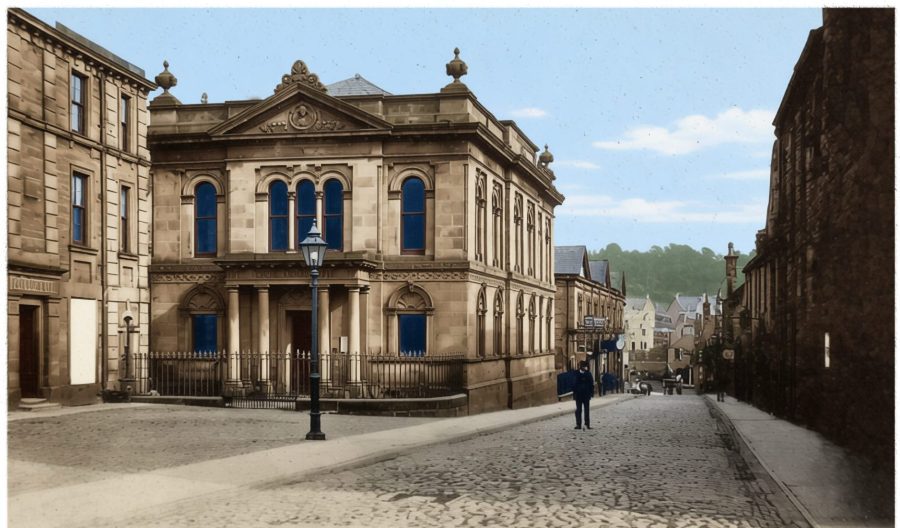
The Family Home: The Falconer family grew up living at the bottom of Tolbooth Street, situated directly adjacent to the plot where the museum stands.
Today’s Displays: Echoing the early passions of the Falconer brothers, our modern galleries continue to celebrate the rich natural history, archaeology, and unique local heritage of the Moray region.
Alexander's younger brother, Dr Hugh Falconer, was a towering figure in the Victorian scientific community.
A Scientific Pioneer: As a highly regarded geologist, botanist, and palaeontologist, Hugh was a close peer and regular correspondent of Charles Darwin.
The Tea Revolution: Spending much of his life working in India, Hugh played a monumental role in introducing tea production from China into India—helping to kickstart the famous Himalayan and Assam tea industries.
Preserving History: The museum was originally constructed to safeguard and showcase Hugh’s extensive personal research collections. tied to the physical geography of the town.

Taken pre-second World War, hence the iron railings and the cobbled street, the Falconer family lived at the bottom of Tolbooth Street. and like all the buildings in the photograph, their house is still there today.